
10 Hygiene wall and ceiling paints for cleaner, more hygienic interiors
Maintaining clean, hygienic interiors is essential in environments where controlling bacterial or fungal growth is a priority, which inevitably means that the surfaces must be able to withstand regular cleaning. From hospitals and healthcare facilities to commercial kitchens, schools and food preparation areas, choosing the right hygiene coating can make a significant difference to the maintenance and performance of walls and ceilings.
Hygiene wall paints and hygiene ceiling paints are specially formulated for environments where cleanliness, durability and surface maintenance matter. Depending on the product, they may also offer antibacterial properties, resistance to mould, improved washability or a durable finish designed to withstand frequent cleaning.
We can supply a range of hygiene and antibacterial paints including specialist coatings from established manufacturers, with solutions for different substrates, environments and performance requirements.
In this guide, we explore 10 hygiene paints and coatings to help you find the right option for your project.
1. Centrecoat Aqua Anti-Bacterial Hygiene Paint – For hygienic walls and ceilings
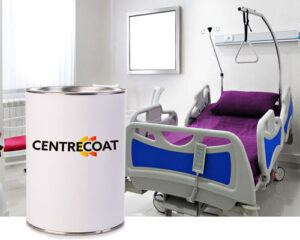 Centrecoat Aqua Anti-Bacterial Hygiene Paint is a specialist option for environments where maintaining hygienic wall and ceiling surfaces is important. It is ideal for applications including hospitals, kitchens, schools, veterinary practices, food preparation areas and restaurants.
When choosing an antibacterial wall paint, consider not only its antimicrobial properties but also how easily the finished surface can be cleaned and how well it will withstand the demands of the environment.
This product is worth considering for projects that require a dedicated hygiene coating for internal surfaces.
Best suited to: Healthcare facilities, commercial kitchens, schools and other hygiene-sensitive interiors.
2. Teknos Timantti Clean Antibacterial Paint – For washable interior surfaces
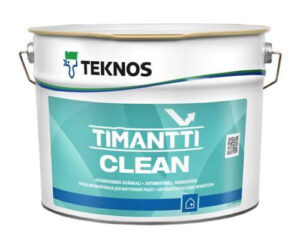 Teknos Timantti Clean Antibacterial Paint is designed for internal walls and ceilings where hygiene, cleanability and abrasion resistance are important.
In busy commercial and institutional buildings, painted surfaces may need frequent cleaning to remove everyday marks and maintain a professional appearance. A coating designed to withstand abrasion can be a practical choice for these demanding conditions.
Consider this option when specifying hygiene wall paint for areas where routine cleaning and long-term appearance are key requirements.
Best suited to: Internal walls and ceilings in healthcare, education and other regularly maintained environments.
3. Tikkurila Luja Finishing Paint – For mould-resistant wall and ceiling finishes
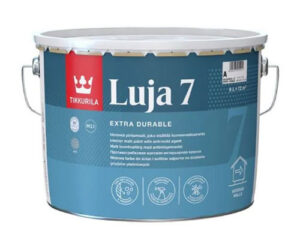 Tikkurila Luja Finishing Paint is a water-based acrylate paint available in several finish options, including Luja 7, 20 and 40. It is designed to protect interior surfaces against mould.
Moisture and condensation can create conditions that encourage mould growth, particularly in kitchens, washrooms and other humid areas. Selecting a suitable mould-resistant coating can form part of an effective approach to maintaining these spaces.
When specifying this product, check the recommended finish, substrate preparation and environmental conditions to ensure the chosen system is appropriate for the application.
Best suited to: Interior walls and ceilings where a mould-resistant decorative finish is required.
4. Zinsser Perma-White Interior – For mould and mildew protection
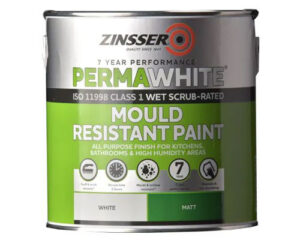 Zinsser Perma-White Interior is a protective and decorative coating designed to resist mould and mildew. It is worth considering where maintaining the appearance of interior walls and ceilings is a priority, particularly in rooms where humidity can be a concern.
Before painting, investigate any underlying dampness, condensation or ventilation issues. Although a mould-resistant paint can help protect the coated surface, it should not be treated as a substitute for resolving the cause of persistent moisture.
Best suited to: Interior spaces where mould and mildew resistance is an important part of the paint specification.
5. Centrecoat Ultra Two-Pack Hygiene Coating – For demanding environments
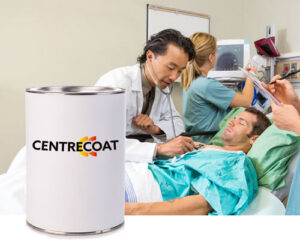 Where a standard decorative paint may not provide the required durability, a two-pack hygiene coating may be worth considering.
Centrecoat Ultra Two-Pack Hygiene Coating is a durable, abrasion-resistant antibacterial coating. Two-component systems are often specified where a more robust surface is needed, although the exact resistance and cleaning compatibility depends on the individual product specification.
Before selecting a two-pack system, consider the application method, mixing requirements, curing conditions and expected exposure to cleaning chemicals.
Best suited to: Projects requiring a durable hygiene coating for demanding internal environments.
6. Rust-Oleum 8300 Hygienic Wall Coating – For cold stores and specialist interiors
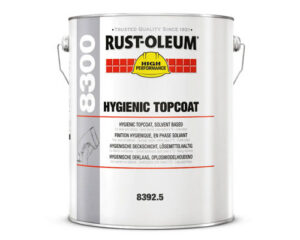 Rust-Oleum 8300 Hygienic Wall Coating is specifically listed for walls and ceilings, including cold-store applications. The manufacturer recommends applying it over Rust-Oleum 8399 Masonry Sealer.
Cold-storage environments can present particular challenges, including temperature variations, condensation and demanding cleaning routines. Selecting a coating suitable for the actual operating conditions is therefore essential.
Always check the product’s technical data for application temperatures, substrate requirements and suitability for the intended cold-store environment.
Best suited to: Suitable cold-store walls and ceilings and other applications covered by the product specification.
7. Mapei Mapecoat ACT – For hygienic internal surfaces
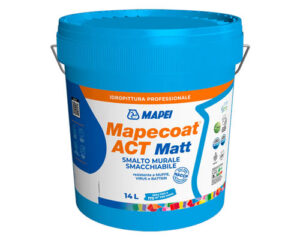 Mapei Mapecoat ACT is a hygienic internal coating described as helping counteract the deposition and proliferation of mould, viruses and bacteria.
For projects where hygiene performance is a priority, it is important to understand precisely which organisms and performance criteria have been tested for the selected product. Antimicrobial claims can differ between coatings, so check the relevant technical documentation before specifying a system.
Mapecoat ACT is an option to investigate where a specialist coating is required for hygienic internal environments.
Best suited to: Internal projects where the product’s documented hygiene performance matches the required specification.
8. Coo-Var Guard-Coat Anti-Microbial Floor and Wall Paint – For multi-surface protection
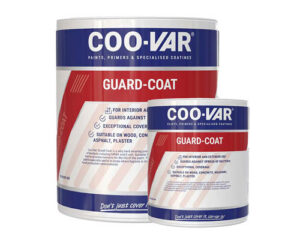 Coo-Var Guard-Coat Anti-Microbial Floor and Wall Paint is a tough coating that uses silver ion technology to inhibit the growth of microorganisms such as bacteria.
Its suitability for floors and walls makes it a useful option to investigate for projects involving more than one surface type. However, floors and walls experience different levels of abrasion, impact and cleaning, so confirm the product’s suitability for each intended application.
When choosing an antibacterial paint, check the manufacturer’s performance data and recommended cleaning regime to understand how the coating should be maintained.
Best suited to: Appropriate wall and floor applications where antimicrobial properties and durability are required.
9. Rust-Oleum 5090 Anti-Condensation Wall Paint – For condensation-prone areas
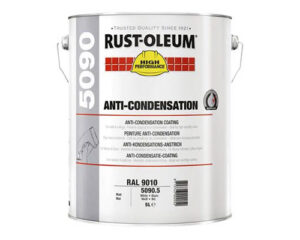 Rust-Oleum 5090 Anti-Condensation Wall Paint is designed to resist moisture build-up associated with condensation, which can contribute to mould and mildew growth indoors.
Condensation can be a recurring problem in buildings with high humidity, poor ventilation or cold internal surfaces. An anti-condensation coating may help address surface moisture, but the wider causes of condensation should also be assessed.
This is an important distinction when comparing anti-condensation paint with antibacterial paint: the products address different surface challenges and should be selected according to the problem being managed.
Best suited to: Suitable internal wall applications where condensation is a particular concern.
10. Sika Sikagard 403W – For specialist hygiene coating requirements
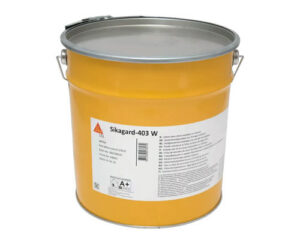 Sika Sikagard 403W is part of Sika’s specialist coating range and is suitable as a hygiene coating for walls and ceilings.
When specifying a specialist coating for healthcare, commercial or industrial interiors, review the product’s current technical data to establish its approved uses, substrate compatibility, cleaning resistance and application requirements.
The correct coating will depend on the demands of the environment, including the frequency of cleaning, exposure to chemicals, condition of the substrate and required finish.
Best suited to: Projects where the product’s documented performance and application guidance meet the specification.
How to choose the best hygiene wall paint or ceiling paint
With several types of hygiene paint available, it is important to choose a product based on the conditions it will face rather than relying on the term “antibacterial” alone. Consider the following factors before making your selection.
Antibacterial performance
If bacterial control is a key requirement, check the product’s technical documentation for the specific antimicrobial claims and supporting test data. Not every hygienic coating offers identical protection, and antibacterial performance should not automatically be interpreted as antiviral performance.
Washability and cleaning resistance
Walls and ceilings in healthcare facilities, commercial kitchens and public buildings may need regular cleaning. Check whether the coating can withstand the intended cleaning products, disinfectants and cleaning frequency.
Mould and moisture resistance
In humid environments, a mould-resistant or anti-condensation product may be more appropriate than an antibacterial coating alone. Persistent dampness and condensation should be addressed before applying a new paint system.
Substrate compatibility
Check whether the selected hygiene paint is suitable for the existing surface, whether that is plaster, masonry, concrete, wood, metal or a previously painted substrate. Some products require a compatible primer or sealer.
Finish and appearance
Hygiene coatings are available in different finishes and colours, depending on the product. Consider the required appearance alongside cleanability, durability and any project-specific colour requirements.
Application and curing requirements
Follow the manufacturer’s instructions for surface preparation, mixing, application thickness, drying and curing. These details can affect the performance and longevity of the finished coating.
Where are hygiene and antibacterial paints used?
Hygiene wall paints and ceiling paints are used in a variety of settings where cleanable, durable surfaces are important.
Hospitals and healthcare facilities. For appropriate clinical and non-clinical areas where hygiene and regular cleaning are priorities.
Commercial kitchens and food preparation areas. Where coatings must meet the requirements of the particular environment and cleaning regime.
Schools and educational buildings. For suitable internal surfaces that need to maintain their appearance under regular use and cleaning.
Laboratories and industrial facilities. Where specialist surface performance may be required.
Veterinary practices and animal-care facilities. Where surface hygiene and routine cleaning are important.
Bathrooms, kitchens and utility rooms. Where suitable mould-resistant or moisture-resistant paints may help maintain interior surfaces.
Always confirm the suitability of the selected product for the specific environment. Where regulatory, food-contact or clinical performance requirements apply, the coating must meet the relevant specification.
Hygiene Paint FAQs
What is hygiene wall paint?
Hygiene wall paint is a coating designed for environments where surface cleanliness, washability, durability or resistance to microbial growth is important. Depending on the product, it may incorporate antibacterial technology, offer mould resistance or withstand repeated cleaning.
What is the difference between antibacterial paint and standard paint?
Standard decorative paint primarily provides colour and surface protection. Antibacterial paint is formulated or treated to provide a specific level of antibacterial performance, subject to the manufacturer’s claims and test conditions. Cleaning and good hygiene practices remain essential.
Can hygiene ceiling paint be used on walls?
Some hygiene paints are suitable for both walls and ceilings, while others have more specific applications. Always check the product data sheet to confirm that the coating is suitable for the intended surface.
Is antibacterial paint suitable for commercial kitchens?
Certain antibacterial and hygiene coatings are suitable for specified commercial kitchen applications. However, not every product is suitable for food preparation areas or direct food contact. Confirm the coating’s suitability, cleaning resistance and any applicable requirements before use.
Does antibacterial paint prevent mould?
Not necessarily. Antibacterial performance and mould resistance are different properties. If mould is the main concern, choose a product with appropriate mould-resistance claims and investigate any underlying moisture, condensation or ventilation problems.
How do you prepare a wall before applying hygiene paint?
Preparation depends on the existing substrate and selected product. Generally, the surface should be sound, clean and appropriately dry, with loose material, dirt and contaminants removed. Treat existing mould using a suitable method and allow the surface to dry before applying a compatible primer and coating system as directed by the manufacturer.
Find the right hygiene paint for your application
Choosing the right hygiene wall paint or ceiling paint starts with understanding the environment, the substrate and the performance required. Whether you need an antibacterial coating for a healthcare facility, a washable finish for a commercial kitchen or mould-resistant paint for a condensation-prone interior, selecting the right product is essential.
If you’re not sure which antibacterial paint is right for your project, you can contact our manufacturer trained technical team for technical advice on product suitability, preparation and application requirements.