Why Use Masonry Paint? Masonry Paint

Why Use Masonry Paint?

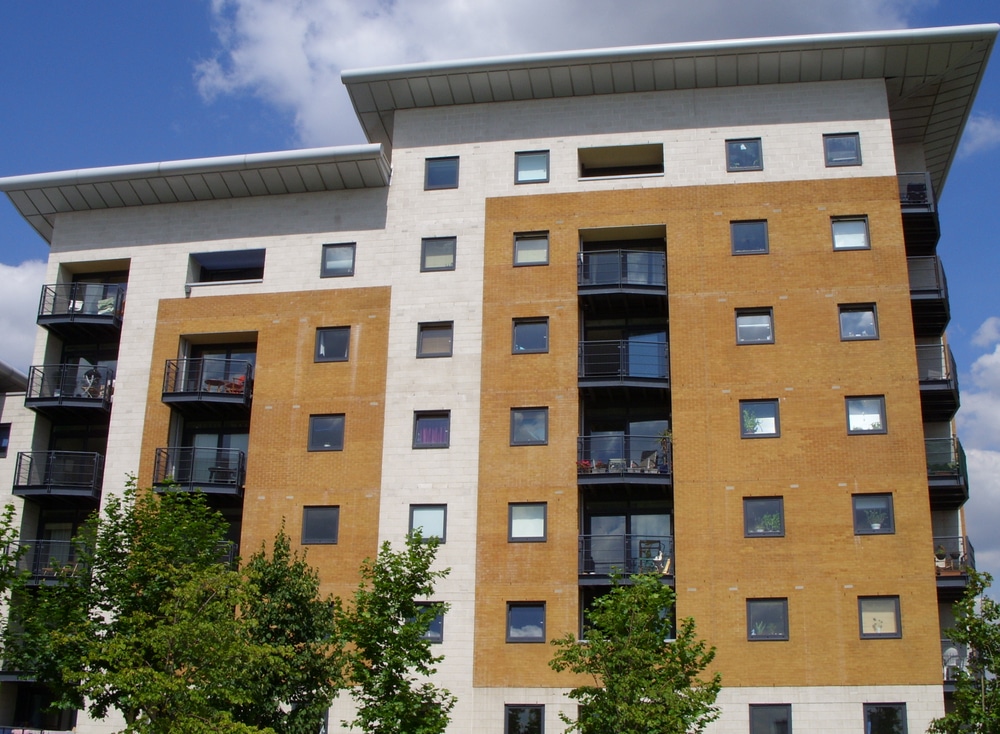
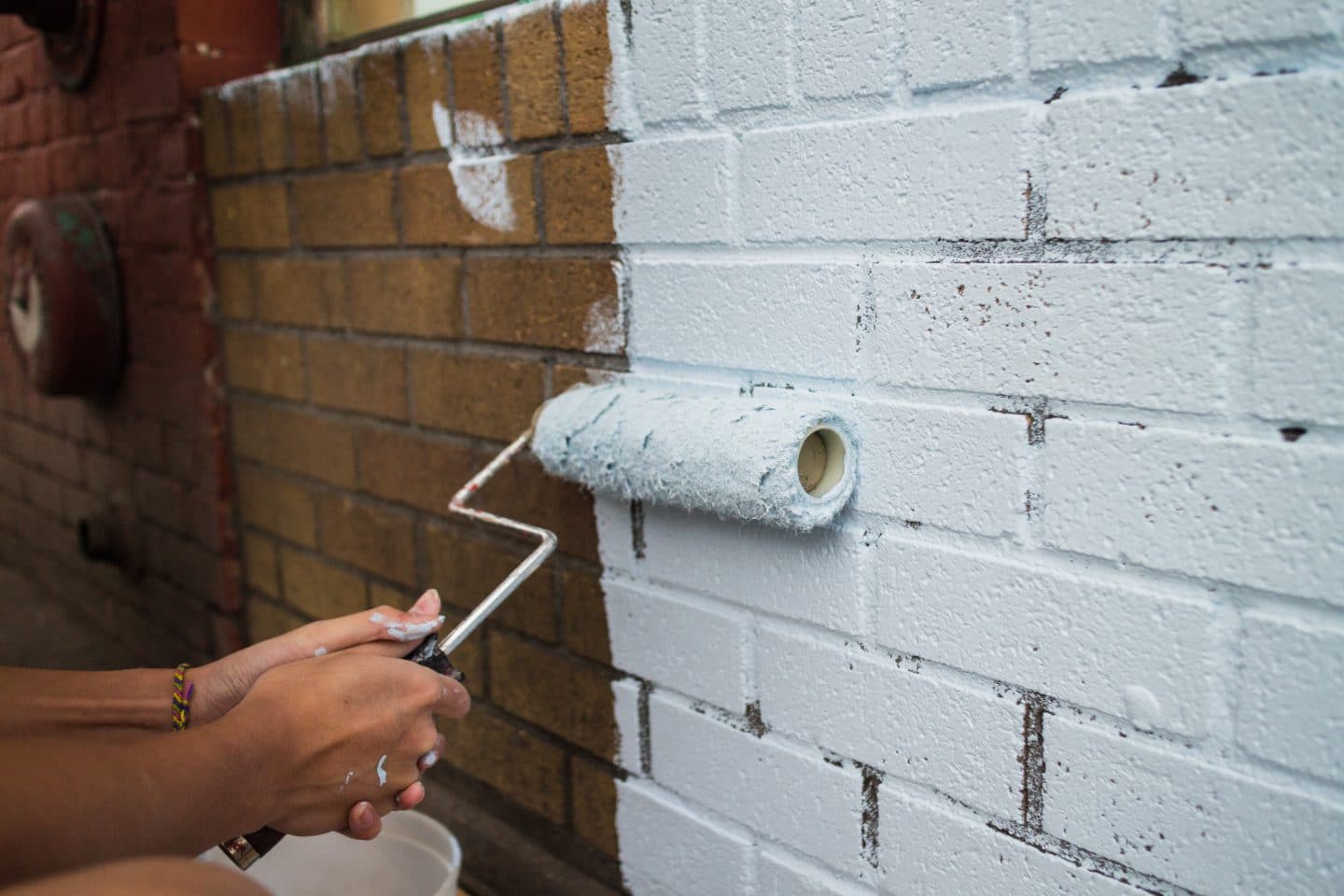
For the quickest way to give curb appeal to your property, painting the exterior brickwork or render of your building will not only give your building a fresh look but depending on the product used, exterior masonry paint can be waterproofing, breathable or flexible with the added benefit of UV protection. Moisture & Substrates Painting…

Masonry Paint: Introducing Anti Carbonation Paints Masonry Paint

Masonry Paint: Introducing Anti Carbonation Paints

Anti Carbonation Paints are formulated to reduce the effects of carbonation on exterior walls. Carbonation is the process in which surfaces decay due to attack from aggressive airborne pollutants such as carbon dioxide. This can be due to too much exposure, but is usually due to the lack of protection. Anti-carbonation paint offers you the…

Street Furniture Paint Specification For Bexley Council Metal street Furniture

Street Furniture Paint Specification For Bexley Council

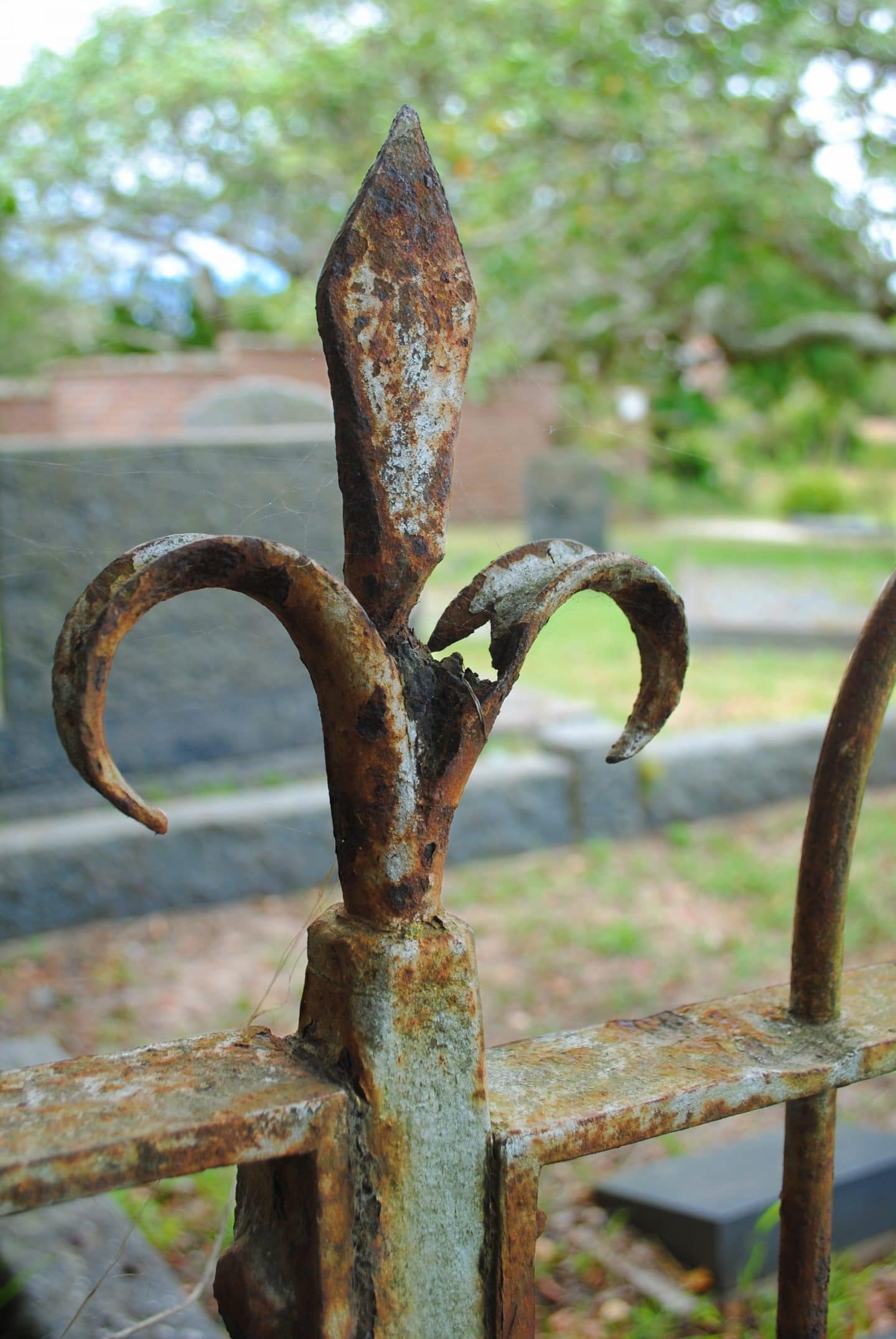
Promain was approached by Bexley Council for advice and guidance on an anti-corrosive painting system for street furniture, in particular railings. The council required a hardwearing coating that was anti-corrosive as well as easy to apply, preferably via brush application. Our technical team set to task on compiling a specification. Specification Promain’s first step was…

Masonry Paint: Introducing Lime Wash Paints Limewash

Masonry Paint: Introducing Lime Wash Paints

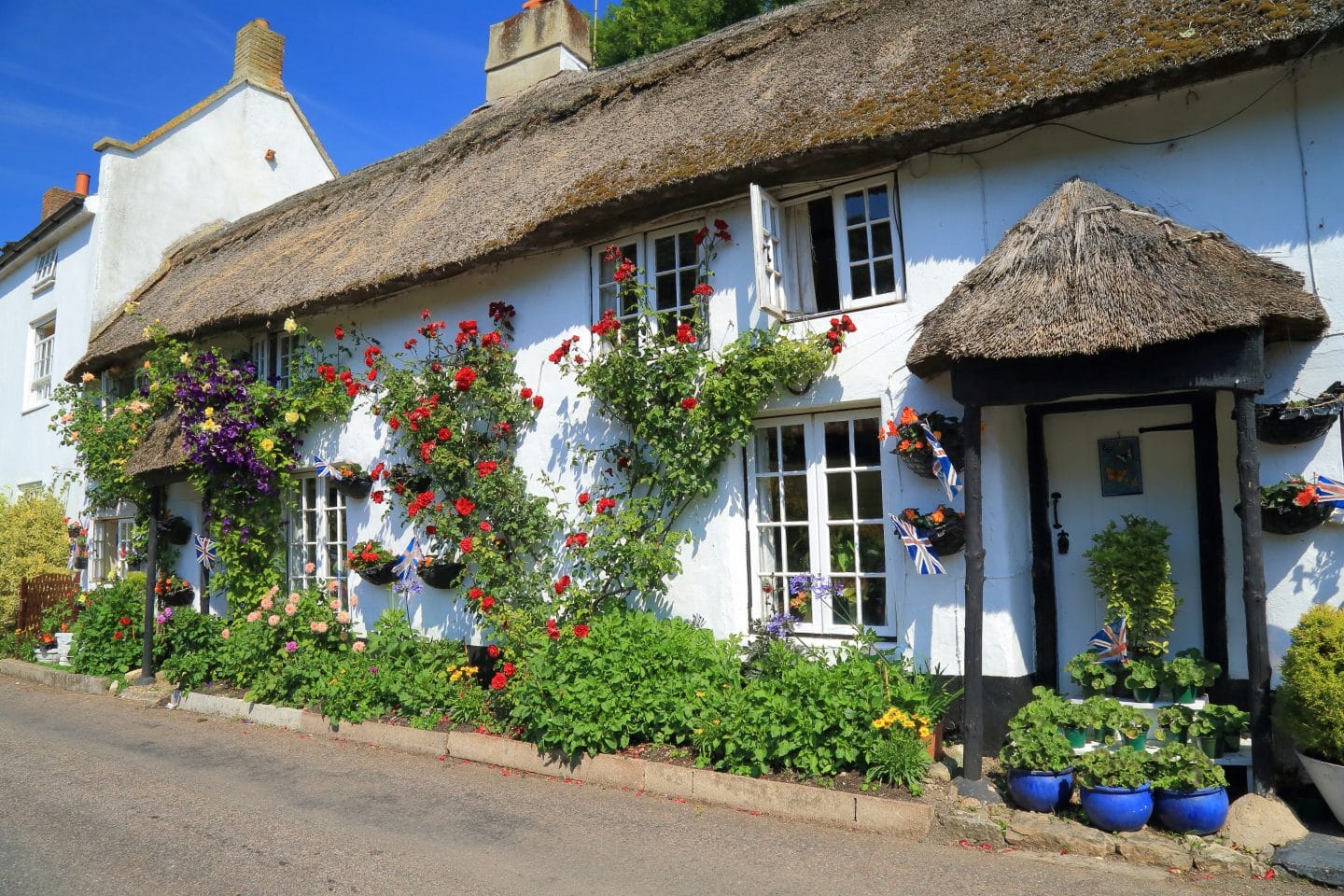
History of Lime Wash Lime wash is one of the most traditional type of breathable coatings still available today. Arguably greater than any other masonry paint available, lime washes or white washes are especially compatible with masonry. They can be absorb easily. They have been used for a number of different applications over the years…

Masonry Paint: Introducing Silicate Mineral Paints

Masonry Paint: Introducing Silicate Mineral Paints

History of Silicate Mineral Paints Silicate mineral paints have been developed and enhanced since the 1800’s to reach their level of success in today’s market. Originally, alchemists of the past experimented with glassy shimmering pearls found in fireplaces on their quest to manufacture gold. In 1878, Adolf Wilhelm Keim patented the name Mineral Paints by…

Masonry Paint: Introducing Film Forming Paints Coastal Masonry Paint

Masonry Paint: Introducing Film Forming Paints

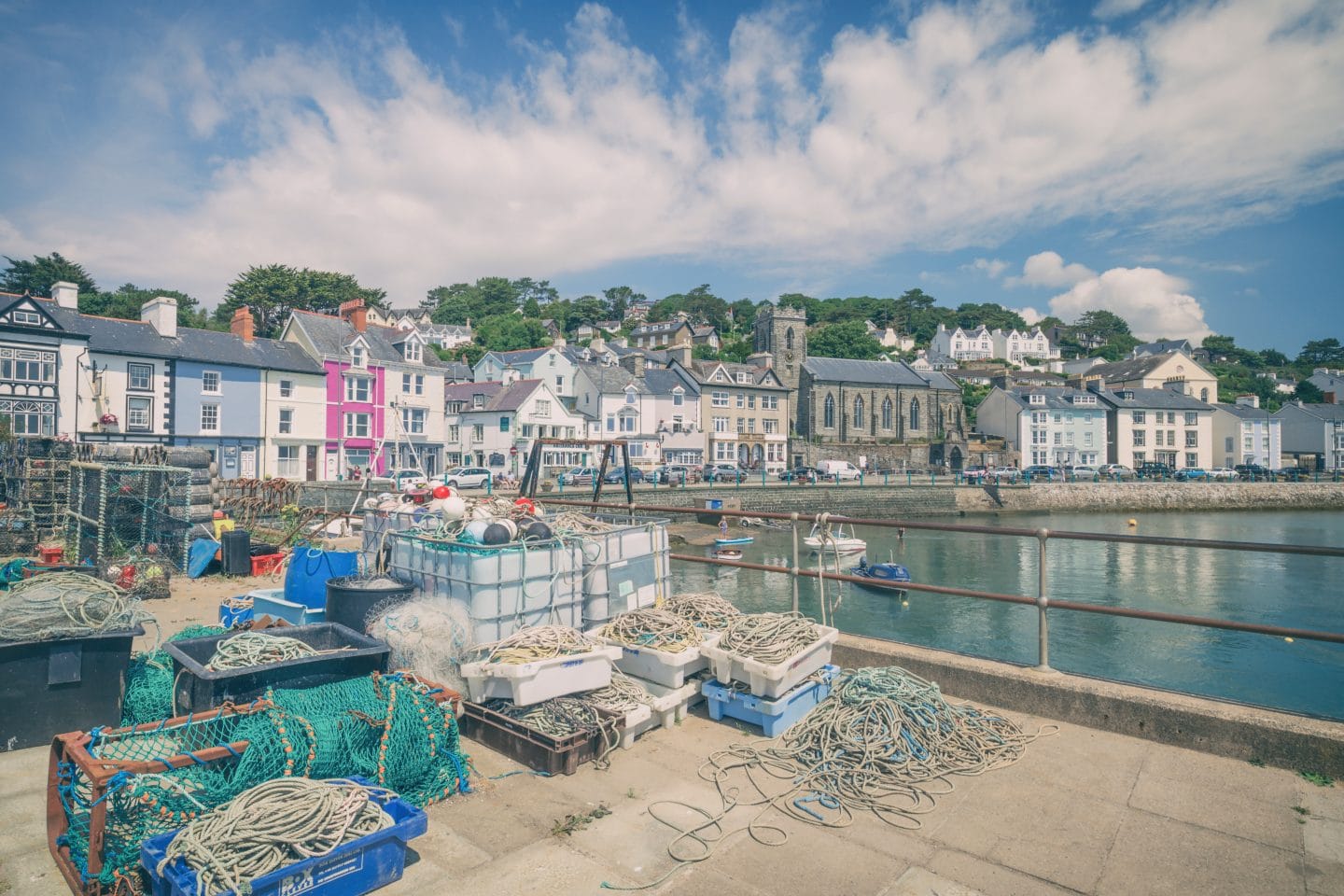
What Are Film Forming Paints? Film forming paints work by sticking to the substrate forming a coating or ‘’film’’ on the material, hence the name film forming paint. A film forming paint sticks or bonds to a surface physically as a skin. Organic Polymer Formulated Film Forming Paints When a coating physically bonds to the…

Scroll to Top