
How to apply thermoplastic line marking: A practical FAQ guide
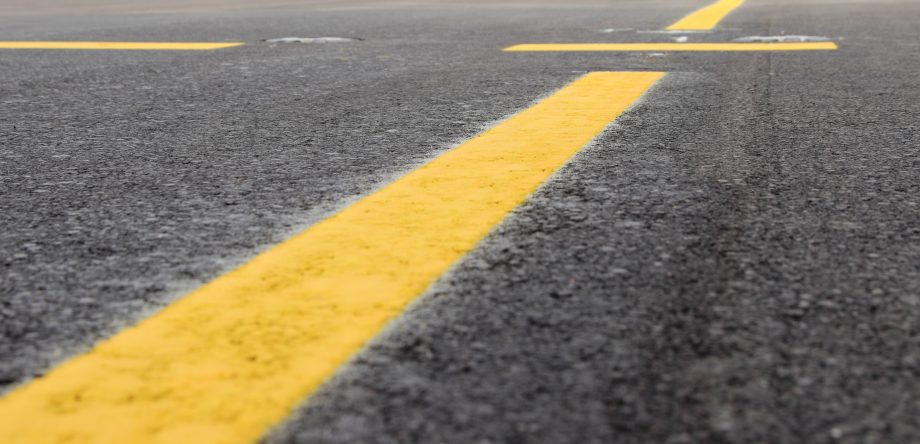
Thermoplastic line marking is a popular choice for creating durable, highly visible markings on roads, car parks, footpaths, playgrounds, cycleways and other hard surfaces. Unlike conventional line marking paint, preformed thermoplastic comes in ready-made rolls, symbols, letters and other shapes that are positioned on the surface and bonded using heat.
For smaller line marking projects, preformed thermoplastic rolls offer a particularly convenient solution. They can be laid out by hand and heated with a suitable thermoplastic gas torch, allowing clean, professional-looking markings to be installed quickly.
However, getting the best results depends on correct surface preparation, positioning and application. Below, we answer some of the most frequently asked questions about thermoplastic line marking.
Which way up should I lay thermoplastic line marking rolls?
Preformed thermoplastic line marking should be laid with the reflective glass beads facing upwards. These beads are incorporated into the surface of the thermoplastic and help improve visibility and reflectivity.
If you are using an economy thermoplastic product or preformed symbols, always check the manufacturer’s instructions because the underside may have a different texture or cross-hatching to identify the correct orientation.
For Centrecoat Thermoplastic Line Marking Tape, the glass-beaded surface should face upwards.
Do I need a tack coat primer for thermoplastic line marking?
A tack coat is required when applying thermoplastic to concrete and is also recommended for old, polished or particularly contaminated asphalt surfaces.
The primer helps the thermoplastic bond securely to the substrate and reduces the risk of the marking lifting after application.
Tack coat should be applied to the substrate rather than to the thermoplastic itself.
Does the surface need to be cleaned before applying thermoplastic?
Yes. Good surface preparation is essential for successful thermoplastic line marking.
Before application, sweep the area thoroughly to remove loose dirt, dust, stones and other debris. A stiff brush can be useful for removing more stubborn deposits.
Organic matter such as leaves, grass and moss should also be removed. If necessary, use a leaf blower to clear dust and loose material immediately before laying the thermoplastic.
The surface needs to be clean and sufficiently dry for the thermoplastic to achieve a good bond.
Can thermoplastic line marking be applied to a wet surface?
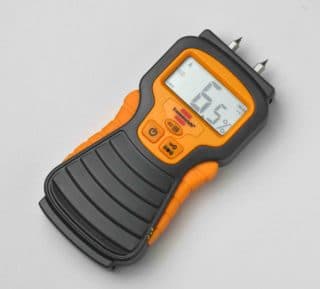 No. The substrate should be dry before application.
If the surface is damp, a suitable thermoplastic gas torch can be used to carefully dry and warm it before the thermoplastic is positioned. Take particular care around areas where moisture may have penetrated the substrate.
A moisture meter can also be useful when working on concrete where there is uncertainty about the moisture content.
Can thermoplastic be applied in cold weather?
Yes, thermoplastic line marking can be installed in colder conditions, provided the surface is correctly prepared.
When temperatures are low, it is advisable to warm the substrate with the gas torch before applying the thermoplastic. This is particularly important when working on tarmac or asphalt in cold weather.
Current Centrecoat guidance recommends warming the tarmac when the temperature is below 10°C.
How should thermoplastic line marking be stored?
Thermoplastic should be stored in suitable conditions and protected from low temperatures.
If thermoplastic becomes too cold it can become brittle, increasing the risk of cracking or breaking when the rolls are handled.
For Centrecoat Thermoplastic Line Marking Tape, the manufacturer’s current guidance recommends storage at a minimum of 10°C.
Avoid leaving thermoplastic rolls in an unheated vehicle overnight during cold weather.
What should I do if my thermoplastic roll has broken?
A broken roll does not necessarily mean that it needs to be discarded.
If the thermoplastic is otherwise in good condition, position the sections correctly and apply heat as normal. Once the material reaches the correct application temperature, the thermoplastic should soften and fuse together.
Take care to ensure that the sections are correctly aligned before heating.
Can I use a small plumber’s gas torch to apply thermoplastic?
No. A small disposable-canister gas torch is not suitable for applying preformed thermoplastic line marking.
Thermoplastic requires a suitable, broad and even heat source capable of heating the material sufficiently without creating concentrated hot spots.
A specialist thermoplastic or roofing-type propane torch with an appropriately sized burner is recommended. The aim is to distribute heat evenly across the width of the marking rather than concentrating the flame in one small area.
What type of gas torch do I need for thermoplastic line marking?
A suitable thermoplastic gas torch should have a sufficiently large burner to provide an even heat pattern across the marking.
A long lance with a flame stabiliser is particularly useful because it allows the operator to maintain a suitable working distance from the surface while heating the thermoplastic.
Propane is commonly used with these torches. Always use the correct regulator and equipment for the gas being used and follow the torch manufacturer’s safety instructions.
Can I apply new thermoplastic over existing thermoplastic?
In some circumstances, yes.
Existing thermoplastic must be firmly bonded, intact and suitable to receive another layer. The surface should be suitably prepared and heated before applying the new material.
However, adding a second layer increases the overall thickness. Thermoplastic line marking is already approximately 3mm thick, so adding another layer may create an unwanted raised edge or potential trip hazard.
Where the existing marking is badly worn, damaged or uneven, removing it first will generally produce the best result.
Can I apply thermoplastic over existing paint?
This requires caution.
Thermoplastic does not bond reliably to every type of existing line marking paint. Some coatings, including certain water-based acrylics and chlorinated rubber systems, may not provide a suitable surface.
Some epoxy and MMA coatings may be compatible, but this should not be assumed.
If you are considering applying thermoplastic over an existing coating, a small trial area should be carried out first to confirm adhesion before proceeding with the full application.
For current Centrecoat Thermoplastic Line Marking Tape, the product guidance specifically states not to apply over existing painted lines.
How do I remove old thermoplastic line marking?
There are several ways of removing existing thermoplastic, depending on the size of the area and the condition of the substrate.
A mechanical scarifier fitted with a suitable grinding head can remove old markings effectively. However, this is an aggressive method and can leave some surface scarring.
Abrasive blasting can also be used to remove thermoplastic. The blasting media breaks the marking away from the substrate, although some surface profiling may remain afterwards.
The most appropriate removal method will depend on the substrate, the thickness and condition of the existing thermoplastic and the finish required for the new marking.
What is the best way to apply thermoplastic line marking?
For preformed thermoplastic rolls, the basic application process is straightforward:
1. Clean and prepare the substrate.
2. Ensure the surface is dry.
3. Apply tack coat where required.
4. Mark out the position of the line using a chalk line.
5. Position and unroll the thermoplastic along the marked line.
6. Heat the thermoplastic evenly using a suitable gas torch.
7. Continue heating until the thermoplastic has melted and bonded to the substrate.
8. Allow the marking to cool before returning the area to service.
Preformed thermoplastic is one of the advantages of this system: rather than mixing and applying liquid paint, the correctly sized material is already manufactured and simply needs to be positioned and heat bonded.
How do I mark out thermoplastic car park lines?
Accurate setting out is important when installing car park markings.
A chalk line can be used to establish straight lines before positioning the thermoplastic rolls. A large set square can help create accurate corners.
For larger layouts, the 3-4-5 method can be used to establish a true 90-degree angle. This is particularly useful when setting out parking bays and ensuring that the overall layout remains square.
Take time to measure and mark out the area before heating any thermoplastic. Once the material has been bonded to the substrate, repositioning it becomes considerably more difficult.
How do I apply thermoplastic tack coat?
Tack coat should be applied directly to the substrate rather than to the thermoplastic.
For an aerosol tack coat, spray an even coat onto the prepared surface and allow it to dry according to the manufacturer’s instructions before positioning the thermoplastic.
Liquid tack coat can typically be applied using a suitable brush.
The exact application method and drying time will depend on the tack coat product being used, so always follow its technical data sheet.
How hot does thermoplastic need to be?
Thermoplastic must reach the correct temperature to melt and bond properly to the substrate.
The required temperature can vary between products, so the manufacturer’s application instructions should always take precedence.
For the current Centrecoat Thermoplastic Line Marking Tape, the recommended application temperature is 190–200°C.
A digital infrared or spot thermometer can be useful for monitoring the temperature during application and helping to avoid under-heating or overheating.
How do I heat thermoplastic line marking?
Once the thermoplastic has been positioned, heat it evenly using the correct gas torch.
Move the flame across the width of the marking rather than simply directing the flame along one point or concentrating the heat in a small area.
As the thermoplastic heats, it will soften and begin to melt, forming a secure bond with the substrate.
The objective is to heat the material sufficiently to achieve proper adhesion without burning or excessively overheating the surface.
Always follow the manufacturer’s application temperature and torch guidance.
How can I tell when thermoplastic is hot enough?
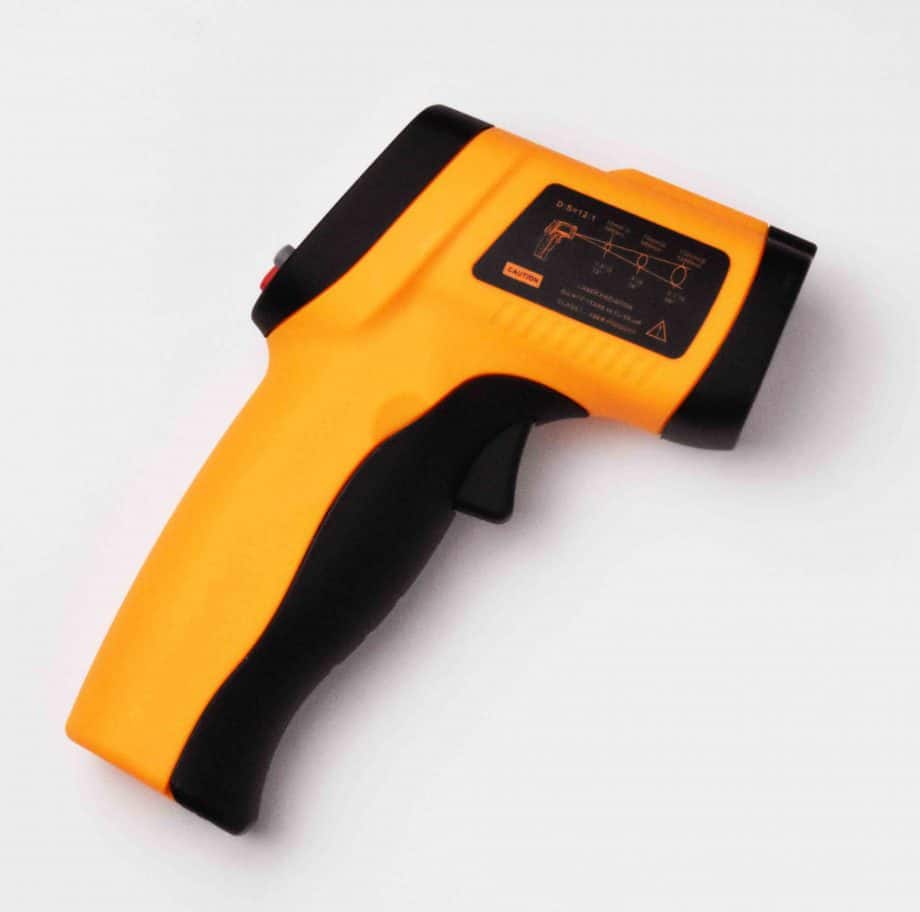 The appearance of the material provides an indication, but a temperature measurement is a more reliable way of confirming that the correct application temperature has been reached.
The thermoplastic should soften and melt sufficiently to bond with the substrate. Avoid overheating it to the point where it burns or becomes excessively degraded.
For Centrecoat Thermoplastic Line Marking Tape, the recommended application temperature is 190–200°C.
What should I do if the thermoplastic lifts after heating?
If the thermoplastic does not bond properly, first check that the substrate was clean, dry and suitable for application and that any required tack coat was used.
Additional heat may sometimes improve adhesion, but if the material has already cooled and failed to bond, repeatedly reheating it may not provide a satisfactory result.
If adhesion remains poor, it is generally better to remove the affected section, reassess the substrate and prepare it correctly before installing new thermoplastic.
How quickly can thermoplastic line marking be used?
One of the major advantages of preformed thermoplastic is its rapid return to service.
Once the material has been correctly heat bonded and allowed to cool sufficiently, the marked area can generally be returned to pedestrian or vehicle traffic within minutes.
The exact time depends on the product, substrate, weather conditions and application method. Current Centrecoat guidance gives a drying time of approximately five minutes and states that the material is ready for use within minutes.
Where can thermoplastic line marking be used?
Preformed thermoplastic is suitable for a wide range of applications, including:
- Car parks and parking bays
- Roads and highways
- Footpaths and walkways
- Cycleways
- Airports and ports
- School playgrounds
- Sports surfaces
- Traffic directions and symbols
- Disabled parking markings
- Electric vehicle charging bay markings
- Arrows, numbers and letters
- Bespoke logos and graphics
Thermoplastic line marking is particularly useful where a crisp, durable and highly visible marking is required. Preformed thermoplastic products are also available as ready-made symbols, signs, letters, numbers and other graphics.
Can thermoplastic line marking be applied to concrete?
Yes, but the correct preparation is important.
Concrete should be clean and dry, and a suitable tack coat primer should be used to promote adhesion.
The same principle applies to old or particularly smooth asphalt surfaces where additional adhesion may be required.
Always check the technical data for the specific thermoplastic and primer before application.
Can thermoplastic be applied to new asphalt?
New asphalt needs to be sufficiently established before thermoplastic is applied.
For Centrecoat Thermoplastic Line Marking Tape, the current guidance recommends allowing new asphalt to settle for at least 6–8 weeks before application.
If you are working on newly laid asphalt, check its condition and follow the manufacturer’s recommendations before proceeding.
What other thermoplastic products are available?
Thermoplastic line marking is not limited to straight rolls.
Preformed thermoplastic products are available for a wide range of applications, including disabled parking symbols, electric vehicle charging symbols, arrows, zebra crossings, letters, numbers, words and other traffic markings. Bespoke designs can also be produced for specific requirements.
This makes thermoplastic particularly useful when a project requires consistent, professional-looking markings without having to create every symbol or graphic from scratch.
Need advice on thermoplastic line marking?
Choosing the right thermoplastic, primer and application equipment can make a significant difference to the finished result.
If you are unsure which thermoplastic line marking product is suitable for your surface or application, Promain’s technical team can advise on product selection, surface preparation and application.
For more information, see our range of Thermoplastic Line Marking products or contact the Promain Technical Team on 01462 421 333.